

نصائح لتسخين وتطبيق غشاء لاصق بالذوبان الساخن
تاريخ الإصدار: 2026-01-05
جدول المحتويات
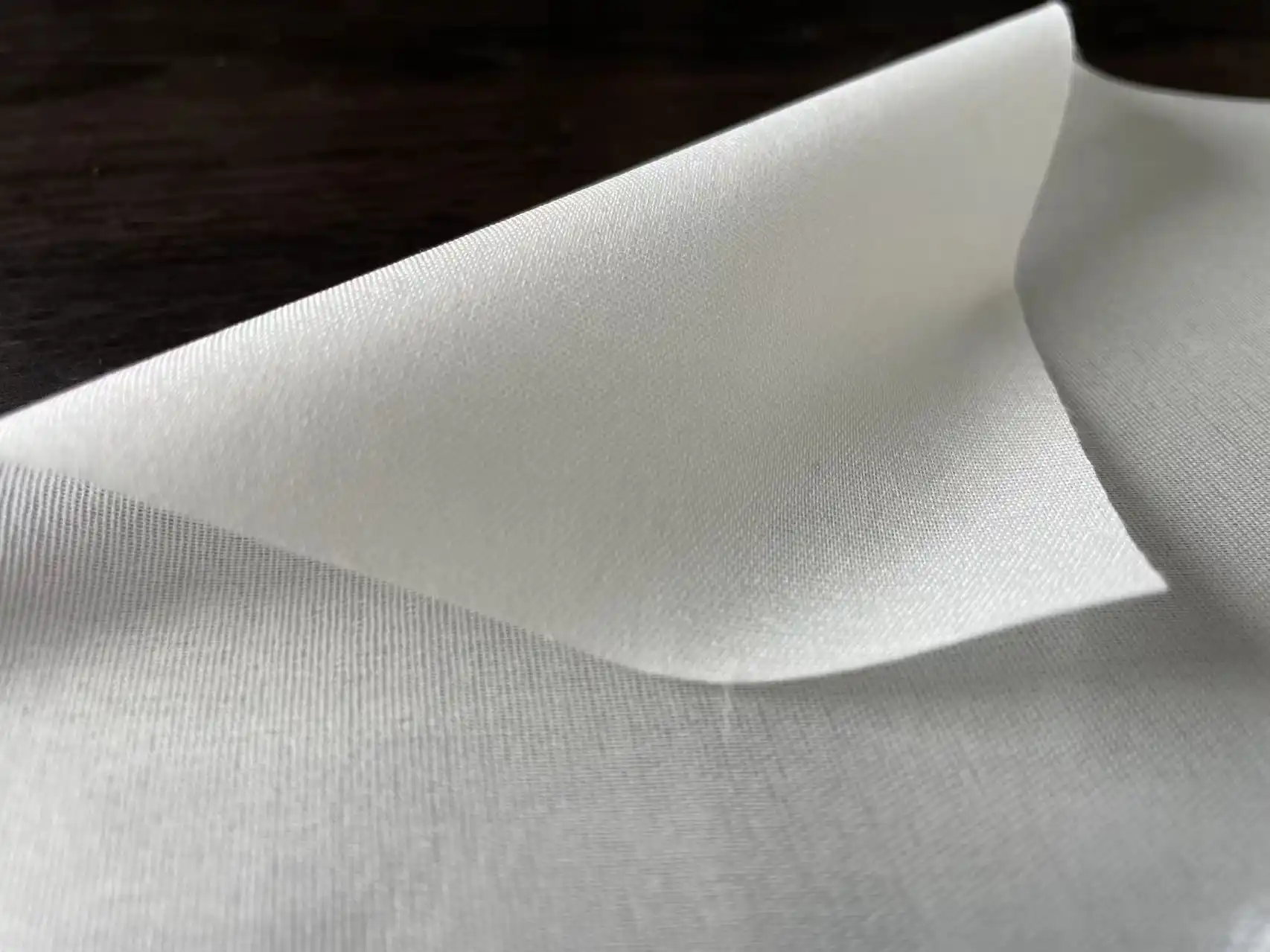
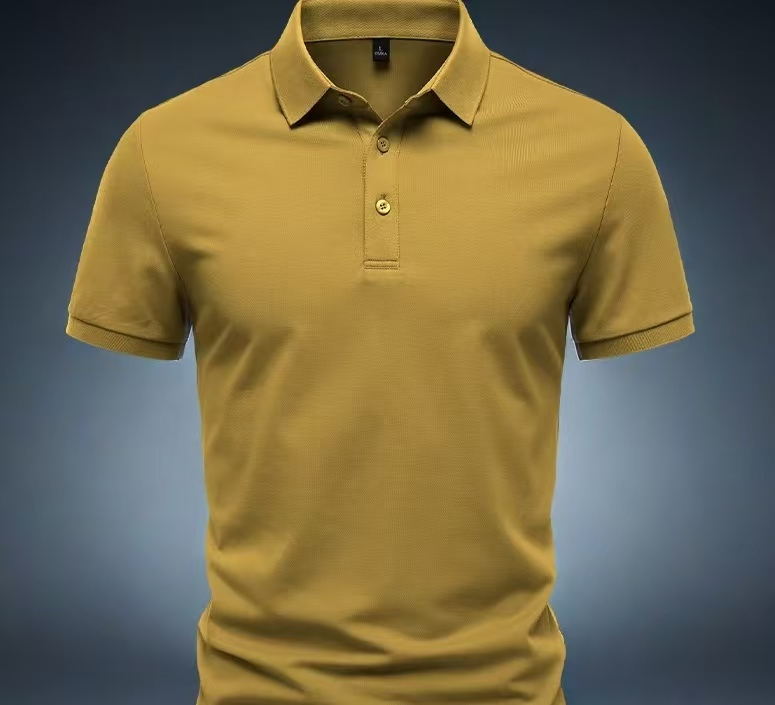
تُستخدم أغشية اللصق بالذوبان الساخن على نطاق واسع في صناعات متنوعة كالنسيج والسيارات والإلكترونيات والتغليف والبناء، وذلك لسهولة معالجتها وسرعة التصاقها وقوة تماسكها. مع ذلك، يعتمد أداء اللصق النهائي بشكل كبير على طرق التسخين والتطبيق الصحيحة. فعدم التحكم السليم في درجة الحرارة أو تقنية التطبيق الخاطئة قد يؤدي إلى روابط ضعيفة أو تماسك غير متساوٍ أو تلف المادة. ستساعدك النصائح التالية على تحسين التسخين والتطبيق لتحقيق نتائج متسقة وموثوقة.
1-فهم نطاق درجة الحرارة الموصى به
لكل غشاء لاصق بالذوبان الساخن نطاق درجة حرارة تنشيط محدد يعتمد على تركيبة البوليمر. قد يؤدي التسخين دون النطاق الموصى به إلى منع الغشاء من الذوبان الكامل والتدفق إلى السطح، مما ينتج عنه ضعف التبلل وانخفاض قوة الالتصاق. من ناحية أخرى، قد يؤدي التسخين الزائد إلى تدهور المادة اللاصقة أو تلف المواد الحساسة للحرارة. لذا، يُرجى الرجوع دائمًا إلى ورقة البيانات الفنية المقدمة من الشركة المصنعة وضبط معداتك وفقًا لذلك.
2-قم بتسخين الركائز عند الضرورة
يمكن للمواد الباردة أن تمتص الحرارة بسرعة من طبقة المادة اللاصقة، مما يعيق ذوبانها بشكل صحيح. يساعد التسخين المسبق للمواد، مثل المعادن والبلاستيك السميك والأقمشة متعددة الطبقات، على الحفاظ على درجة حرارة كافية أثناء عملية اللصق. حتى خطوة التسخين المسبق المعتدلة يمكن أن تُحسّن بشكل ملحوظ من انسيابية المادة اللاصقة وتجانس اللصق، خاصةً في بيئات الإنتاج عالية السرعة أو منخفضة الحرارة.
3-قم بتطبيق توزيع متساوٍ للحرارة
يُعدّ التسخين المتجانس أمرًا بالغ الأهمية لضمان التصاق متجانس. فالتسخين غير المتجانس قد يُسبب انصهارًا جزئيًا، مما يؤدي إلى ظهور نقاط ضعف أو عدم اكتمال الالتصاق. لذا، يُنصح باستخدام مكابس حرارية أو آلات تغليف أو سخانات تعمل بالأشعة تحت الحمراء مُعايرة بدقة لضمان توزيع متساوٍ للحرارة على كامل منطقة اللصق. كما تُساعد الصيانة الدورية ومعايرة أجهزة التسخين على تجنب تقلبات درجات الحرارة التي تؤثر على جودة المنتج.
4-التحكم في الضغط ووقت التوقف
لا تكفي الحرارة وحدها؛ فالضغط ومدة التلامس لهما دورٌ بالغ الأهمية. يضمن الضغط الكافي تلامسًا وثيقًا بين طبقة المادة اللاصقة والركائز، مما يسمح للمادة اللاصقة المنصهرة بالتغلغل في تجاويف السطح. يجب أن تكون مدة التلامس كافيةً لذوبان المادة اللاصقة بالكامل وترطيب الأسطح، ولكن ليس طويلةً لدرجة تُسبب تشوهًا في المادة. يُمكن لضبط هذه المعايير بدقة أن يُحسّن قوة الترابط والمظهر بشكلٍ كبير.
5-تعامل مع الفيلم بعناية أثناء الاستخدام
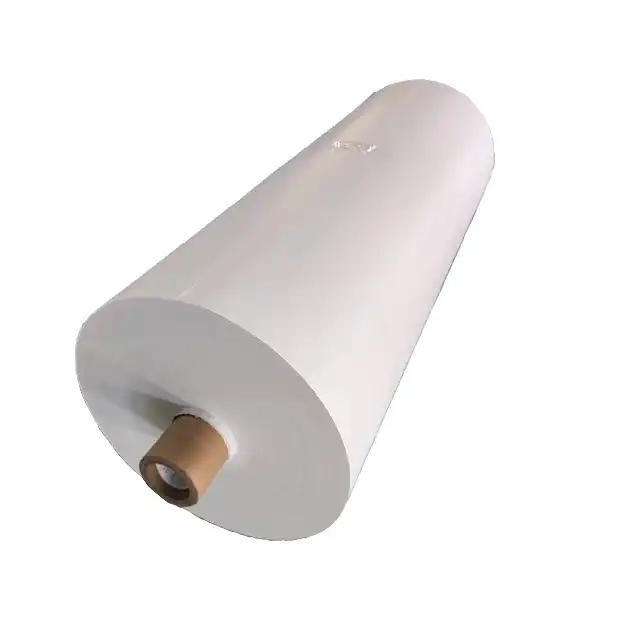
يجب التعامل مع أغشية اللصق بالذوبان الساخن بحرص لتجنب التلوث أو التشوه قبل التسخين. قد يؤثر الغبار أو الزيت أو الرطوبة على سطح الغشاء على الالتصاق. خزّن الأغشية في مكان نظيف وجاف، وقصها بدقة لتجنب التجاعيد أو عدم المحاذاة أثناء الاستخدام. يقلل التعامل السليم من الهدر ويحسن كفاءة العملية بشكل عام.
6-اترك وقت التبريد والتصلب المناسبين
بعد عملية اللصق، اتركها تبرد لفترة كافية في ظروف مضبوطة. تجنب تحريك أو تعريض القطعة الملصقة للإجهاد قبل أن يتصلب اللاصق تمامًا. يساعد التبريد المتحكم به تحت ضغط خفيف على الحفاظ على المحاذاة ومنع الإجهاد الداخلي، مما ينتج عنه روابط أقوى وأكثر متانة.
7-اختبر وحسّن بانتظام
يُعدّ الاختبار الدوري ضروريًا لضمان أداء ثابت. أجرِ اختبارات التقشير أو القص للتحقق من قوة الترابط وتحديد المجالات التي تحتاج إلى تحسين. يمكن لتعديلات طفيفة في درجة الحرارة أو الضغط أو مدة المعالجة أن تُحدث فرقًا كبيرًا. وثّق المعايير المُحسّنة للحفاظ على الاتساق بين دفعات الإنتاج.
ختامًا، يتطلب تسخين وتطبيق أغشية اللصق بالذوبان الساخن بنجاح تحكمًا دقيقًا في درجة الحرارة والضغط والتوقيت والتعامل. باتباع هذه النصائح العملية، يمكن للمصنعين تحقيق روابط قوية ومتجانسة، وتعظيم أداء أغشية اللصق بالذوبان الساخن في مجموعة واسعة من التطبيقات الصناعية.