

Hot Melt Adhesive Films in Automotive Interiors: Benefits and Techniques
Release time: 2025-12-10
Table of Contents
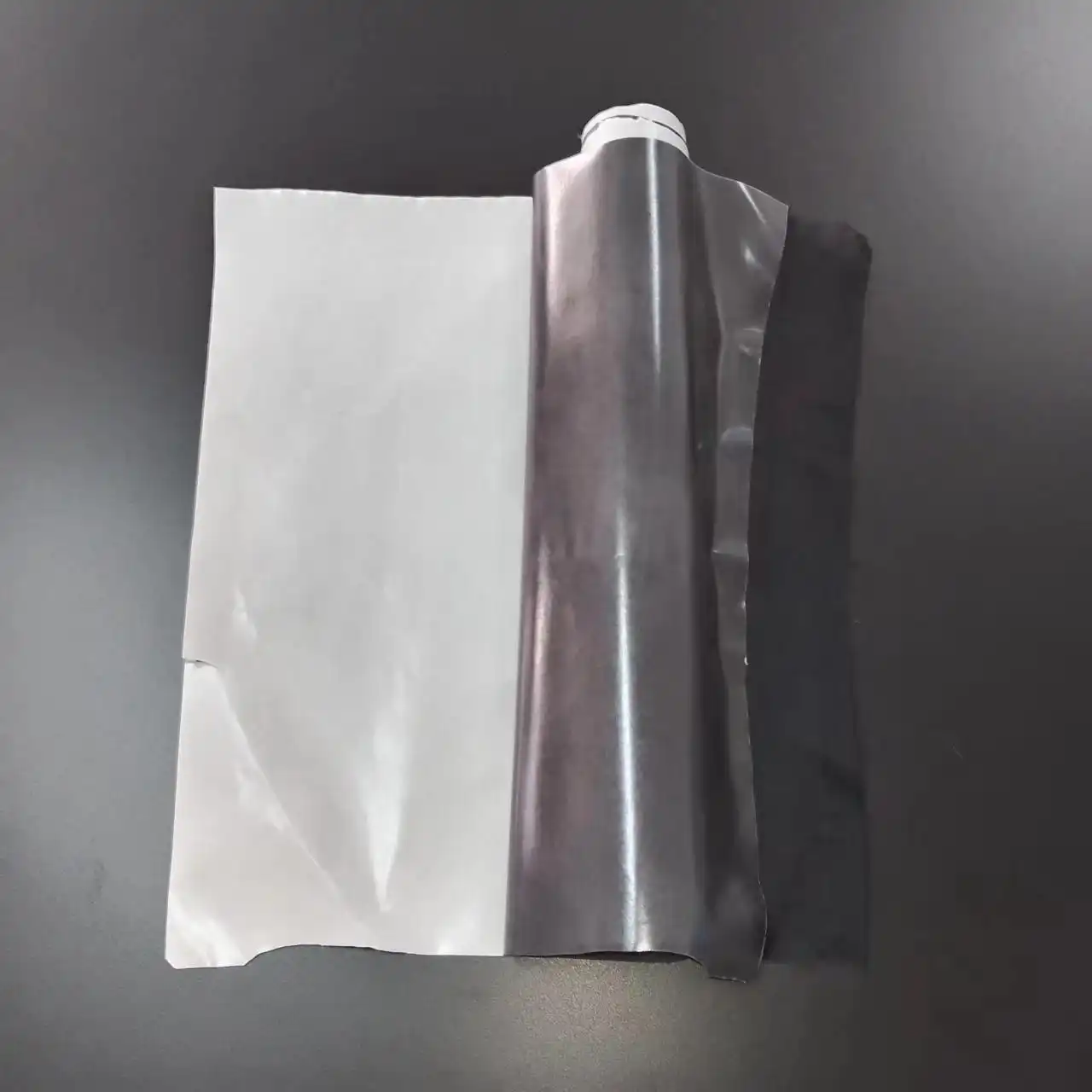
Hot melt adhesive (HMA) films have become increasingly important in the automotive industry, especially in the production of interior components. From dashboards and door panels to seats and headliners, HMA films offer manufacturers a reliable, efficient, and versatile bonding solution.
Benefits of Using Hot Melt Adhesive Films
One of the main advantages of waterproof HMA films is strong and durable bonding. They provide excellent adhesion to a variety of substrates commonly used in automotive interiors, including plastics, fabrics, and composites. This ensures that interior components remain securely attached even under constant stress, vibration, and temperature fluctuations.
HMA films also offer clean and efficient application. Unlike liquid adhesives, hot melt films do not drip or require long curing times. This allows manufacturers to streamline production processes and reduce labor costs while maintaining consistent product quality.
Another significant benefit is flexibility and design freedom. Automotive interiors often feature complex shapes and contours. TPU hot melt adhesive films can conform to these surfaces without compromising bond strength, enabling designers to create aesthetically pleasing and ergonomic components.
Additionally, HMA films contribute to noise, vibration, and harshness control. By providing a uniform bond layer between materials, they can reduce rattling and improve the overall acoustic performance of the vehicle interior.
Techniques for Applying Hot Melt Adhesive Films
Proper application techniques are essential for achieving optimal results. Common methods include heat pressing, roll coating, and laminating. The choice of technique depends on the materials being bonded and the production scale.
Temperature and pressure must be carefully controlled to ensure full activation of the adhesive. Overheating can degrade the film, while insufficient heat or pressure may lead to weak bonds. Manufacturers often conduct small-scale trials to determine the best parameters for each component.
Cutting and handling the film are also important. Precision cutting ensures accurate placement and prevents waste, while proper storage maintains the adhesive’s performance over time.
Conclusion
Hot melt adhesive films offer a combination of strength, efficiency, and versatility, making them ideal for automotive interior applications. By understanding the benefits and following proper application techniques, manufacturers can produce high-quality, durable components that meet both aesthetic and functional requirements. Incorporating HMA films into automotive production not only enhances product reliability but also improves efficiency and reduces overall manufacturing costs.