

Safety and Handling Tips for Hot Melt Adhesive Films
Release time: 2025-12-25
Table of Contents
Hotmelt adhesive films are widely used across various industries, including automotive, textiles, packaging, and electronics, due to their fast bonding and versatility. While they offer significant advantages in manufacturing, proper safety and handling practices are essential to prevent accidents, maintain product quality, and ensure efficient production.
1. Understand the Material Properties
Before using hot melt adhesive films, it is crucial to understand their thermal and chemical properties. Hot melt adhesives are activated by heat, typically requiring temperatures between 120°C and 200°C, depending on the formulation. Awareness of the melting point and handling temperature ensures that operators avoid burns or material degradation. Additionally, some hot melt adhesive films may emit fumes at high temperatures, so understanding ventilation requirements is essential.
2. Personal Protective Equipment (PPE)
Using appropriate personal protective equipment is critical when working with double-sided hot melt adhesive films. Gloves resistant to high temperatures, safety goggles, and protective clothing help prevent burns, eye injuries, and skin contact. For operations that may generate fumes or dust, respirators or proper ventilation systems should be in place.
3. Safe Handling and Storage
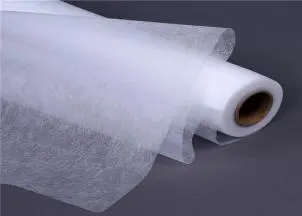
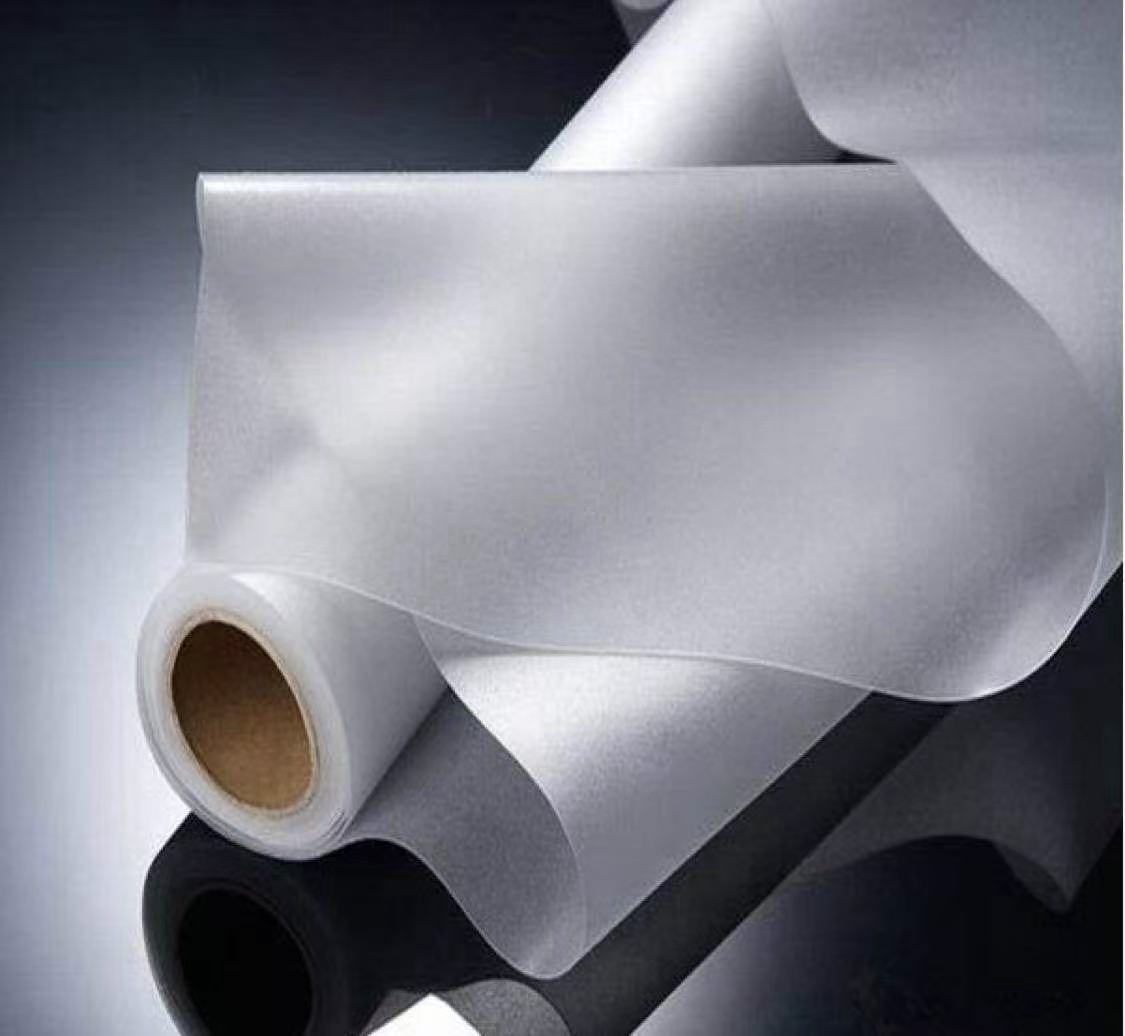
Proper storage is vital to maintain the performance of hot melt adhesive films. Store films in a cool, dry area, away from direct sunlight and moisture. Avoid stacking heavy items on top of adhesive rolls, as this may deform the film or compromise its bonding properties. During handling, use caution when moving rolls or sheets to prevent cuts or strain injuries.
4. Correct Application Techniques
During production, ensure that temperature and pressure are carefully controlled. Overheating can degrade the adhesive and release hazardous fumes, while insufficient heat or pressure may lead to weak bonds. Use tools designed for hot melt adhesive films, such as heat presses or laminators, and follow manufacturer guidelines for time, temperature, and pressure settings.
5. Emergency Preparedness
Workplaces using thermoplastic hot melt adhesive films should have clear emergency procedures. This includes first aid measures for burns, eye contact, or inhalation of fumes. Ensure that fire extinguishers and safety showers are accessible, and that all personnel are trained in emergency response.
6. Conclusion
Hot melt adhesive films are efficient and versatile, but safe handling is essential to protect workers and maintain product quality. By understanding material properties, using proper PPE, storing and handling films correctly, and following precise application techniques, manufacturers can create a safe and productive work environment. Prioritizing safety not only reduces the risk of accidents but also ensures consistent, high-quality bonding results.