

ما هي مزايا الشريط اللاصق بالذوبان الساخن مقارنة بالمواد اللاصقة المائية؟
تاريخ الإصدار: 2026-04-02
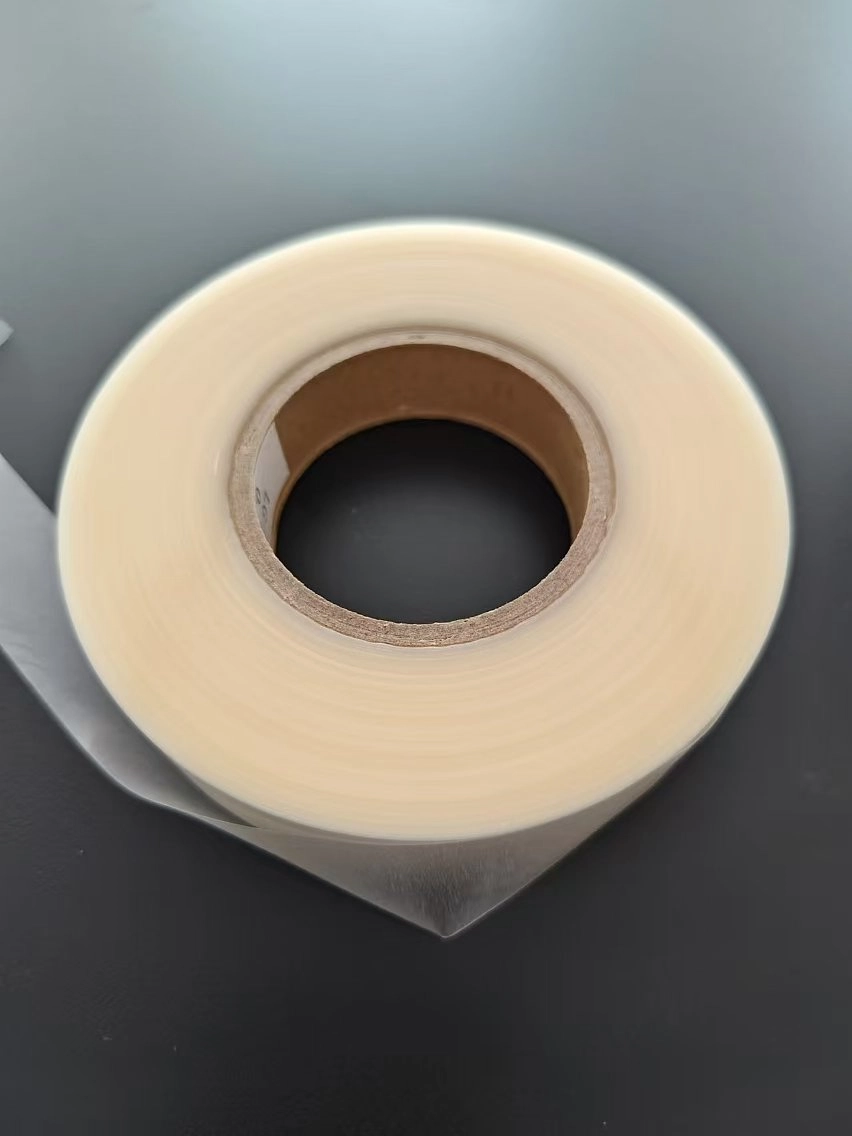
باعتبارهما نوعين رئيسيين من المواد اللاصقة، شريط لاصق ساخن تُستخدم المواد اللاصقة المائية على نطاق واسع في مختلف الصناعات، مثل التعبئة والتغليف والسيارات والإلكترونيات. يتميز شريط اللصق بالذوبان الساخن بقدرته على الذوبان الفوري عند التسخين والتصلب شبه الفوري، مما يجعله مناسبًا بشكل خاص لخطوط الإنتاج الآلية عالية السرعة. في المقابل، تعتمد المواد اللاصقة المائية على تبخر الماء لتجف؛ ورغم أنها توفر مرونة تشغيلية، إلا أن كفاءتها الإجمالية أقل عمومًا. يُولي المشترون في الخارج، على وجه الخصوص، أهمية قصوى لسرعة التصلب والأداء البيئي والفعالية من حيث التكلفة؛ وباختيار شريط اللصق بالذوبان الساخن، يمكنهم تعزيز كفاءة خطوط إنتاجهم بشكل ملحوظ. تُقارن هذه المقالة بين اختلافات الأداء بين هذين النوعين من المواد اللاصقة لمساعدتك على اختيار المنتجات بدقة، وتجنب اختناقات العمليات، وتحقيق مستويات أعلى من الإنتاجية واستقرار الجودة.
أيهما يعالج بشكل أسرع؟
شريط لاصق حراري يجف هذا اللاصق بسرعة فائقة، حيث يبدأ بالالتصاق الأولي عادةً خلال 3 إلى 5 ثوانٍ. يتميز بفترة جفاف قصيرة (أقل من 30 ثانية)، مما يجعله مثاليًا لخطوط التجميع عالية السرعة؛ فبالنسبة لأحجام الإنتاج اليومية التي تتجاوز 20,000 وحدة، تكون كفاءته أعلى بنحو 30 ضعفًا من كفاءة المواد اللاصقة المائية. في المقابل، تتطلب المواد اللاصقة المائية تبخر الماء لتجف، وهي عملية تستغرق من 5 إلى 15 دقيقة وتتأثر بشدة بتقلبات درجة الحرارة والرطوبة، مما يؤدي غالبًا إلى تأخيرات في الإنتاج. إن خاصية الجفاف السريع لشريط اللاصق بالذوبان الساخن تجعله الخيار الأمثل لتطبيقات تغليف التجارة الإلكترونية.
ما هي الاختلافات في قوة الترابط والمتانة؟
يوفر الشريط اللاصق بالذوبان الساخن قوة التصاق أولية عالية، ويُنشئ تشابكًا ميكانيكيًا مع السطح، مما يوفر مقاومة ممتازة للصدمات الفورية؛ إلا أن مقاومته للزحف على المدى الطويل أضعف قليلًا. أما المواد اللاصقة المائية، فتتميز بقوة ربط نهائية أعلى (وتحديدًا، قوة تحملها لضغط الحواف أعلى بمقدار 10-20 ضعفًا)، وتُظهر مقاومة فائقة للعوامل الجوية (فعالة ضمن نطاق درجة حرارة من -20 درجة مئوية إلى 80 درجة مئوية)؛ كما أنها مقاومة للرطوبة بدرجة عالية، ولا تصبح هشة في بيئات درجات الحرارة المنخفضة. في سيناريوهات الخدمات اللوجستية لسلسلة التبريد، يكون معدل فشل الربط (التقشر) للمواد اللاصقة المائية أقل بمقدار 65 ضعفًا من معدل فشل الربط للمواد اللاصقة بالذوبان الساخن؛ ومع ذلك، يُثبت الشريط اللاصق بالذوبان الساخن فعاليته بشكل أكبر عند الربط بالمواد صعبة الالتصاق، مثل البلاستيك.
أيهما يقدم أداءً بيئياً أفضل؟
شريط اللصق بالذوبان الساخن خالٍ من المذيبات ولا ينتج عنه أي انبعاثات للمركبات العضوية المتطايرة. يبقى في حالة صلبة في درجة حرارة الغرفة، ويتوافق مع معايير REACH للاتحاد الأوروبي، ويُعتبر مادة صديقة للبيئة وقابلة لإعادة التدوير. أما المواد اللاصقة المائية فتستخدم الماء كمذيب، مما ينتج عنه مستويات أقل من المركبات العضوية المتطايرة؛ إلا أن عملية تجفيفها تتطلب استخدام معدات تجفيف تستهلك الطاقة. كلا النوعين من المواد اللاصقة خياران صديقان للبيئة؛ ومع ذلك، يتميز شريط اللصق بالذوبان الساخن بميزة في التطبيقات التي يجب فيها منع انتقال بخار الماء (مثل تغليف المواد الغذائية)، كما أنه يوفر مزايا إضافية تتمثل في مقاومته للتجمد وثباته العالي أثناء التخزين.
أيهما أكثر اقتصادية، ولأي سيناريوهات استخدام؟ يتطلب الاستثمار في معدات الشريط اللاصق بالذوبان الساخن تكاليف أولية أعلى (وتحديدًا، الحاجة إلى وحدة صهر)؛ ومع ذلك، فإنه يوفر تكاليف منخفضة للوحدة وكفاءة تشغيلية عالية، مما يجعله مناسبًا تمامًا لبيئات الإنتاج واسعة النطاق والموحدة، مثل تجميع السيارات. في المقابل، تتميز أنظمة اللصق المائية بسهولة استخدامها وإمكانية إجراء تعديلات يدوية مرنة، مما يجعلها مناسبة لعمليات التعبئة والتغليف بكميات صغيرة إلى متوسطة تتضمن تصميمات معقدة. ومع ذلك، عند تقييمها من حيث التكلفة الإجمالية للملكية، يُظهر الشريط اللاصق بالذوبان الساخن توفيرًا بنسبة 30% في التكاليف المتعلقة بالوقت ضمن سيناريوهات الإنتاج واسعة النطاق.
كيف تتم مقارنة الاثنين من حيث سهولة التشغيل؟
شريط لاصق بالذوبان الساخن سهل الاستخدام؛ إذ يمكن توزيعه بالتساوي باستخدام بكرات الطلاء أو مسدسات الرش، مما ينتج عنه خطوط لاصقة دقيقة وذات مظهر جمالي رائع، كما أنه لا يتأثر بالظروف البيئية. أما المواد اللاصقة المائية، فرغم سهولة تنظيفها، إلا أنها تتطلب نفق تجفيف وتكون عرضة للتجمد خلال فصل الشتاء. يتميز شريط اللاصق بالذوبان الساخن بقوة التصاقه بالأسطح غير المسامية، مثل المعادن والبلاستيك، ولذلك يُستخدم على نطاق واسع في مختلف القطاعات، بما في ذلك الإلكترونيات والبناء.
من حيث سرعة التصلب والمتانة وسهولة الاستخدام، يتفوق الشريط اللاصق بالذوبان الساخن بشكل ملحوظ على المواد اللاصقة المائية، مما يجعله مناسبًا بشكل خاص للتطبيقات عالية التردد مثل تغليف التجارة الإلكترونية وتجميع السيارات. من خلال الاختيار الدقيق للمواد ومواءمة المعدات بشكل صحيح، يمكن للمصنعين خفض تكاليف الإنتاج بنسبة 30% مع تحسين جودة المنتج في الوقت نفسه. على الرغم من أن المواد اللاصقة المائية صديقة للبيئة، إلا أن بطء جفافها يجعلها غير مناسبة لخطوط الإنتاج عالية السرعة. من المتوقع أن يحظى الشريط اللاصق بالذوبان الساخن بشعبية أكبر في الأسواق الأوروبية والأمريكية الشمالية، ويعود ذلك بشكل كبير إلى تركيبته الخالية من المذيبات. لمزيد من المعلومات حول منتجاتنا، ندعوكم لزيارة شركتنا للاستشارة والتوجيه.