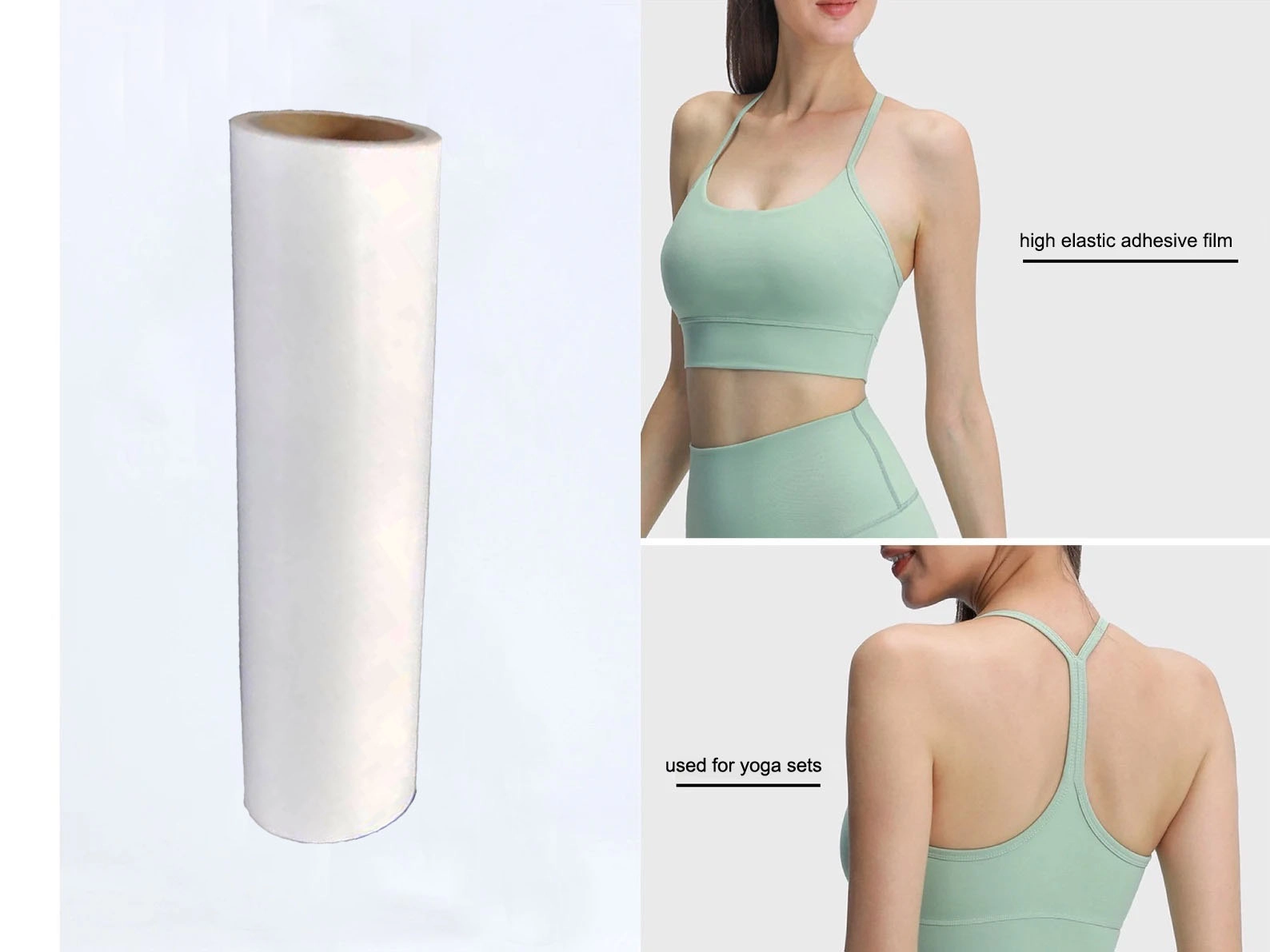


What are the applications of hot-melt adhesive tape in the garment industry?
Release time: 2026-04-30
In modern garment manufacturing, hot melt adhesive tape as an innovative, eco-friendly adhesive—is increasingly replacing traditional sewing methods to become a mainstream choice in the industry. By melting under heat to create a seamless bond between fabrics, it is widely used in key areas such as garment interlining, seamless apparel construction, waterproof seam sealing, and lining attachment. This article explores the specific applications of hot-melt adhesive tape in the garment industry, illustrating how it enhances garment quality, streamlines production processes, and improves wearer comfort.
I. Bonding of Garment Interlining
Hot-melt adhesive tape is widely used to bond interlining to areas such as collars, plackets, and front and back panels. High-quality tape imparts desirable characteristics to the garment, including lightness, thinness, softness, structural crispness, washability, and excellent shape retention. In suit manufacturing, for instance, it is used to reinforce armholes and necklines, preventing fabric stretching or deformation.
II. Seamless Garment Construction
Hot-melt glue tape plays a pivotal role in the production of high-performance items like seamless underwear and form-fitting sportswear. It enables seamless bonding, eliminating the visible stitching lines associated with traditional sewing methods. This results in a sleek, minimalist aesthetic and reduces friction against the skin, making the garment more comfortable and form-fitting.
III. Waterproof Seam Reinforcement
Hot-melt adhesive tape is extensively used in waterproof products such as raincoats, outdoor performance jackets, and tents. Traditional sewing methods often leave gaps at the seams where moisture can penetrate. Hot-melt tape creates a seamless bond, offering superior waterproofing and moisture resistance to ensure the fabric performs reliably in wet conditions.
IV. Bonding Linings and Zippers
Hot-melt sealing tape is widely used for bonding materials such as non-woven fabrics, carpet seams, garment linings, and zippers. Acting as the structural framework for the garment, bonded interlining simplifies the manufacturing process and reduces production time, resulting in garments that are lightweight, aesthetically pleasing, comfortable, shape-retentive, and durable through washing and wear.
V. Securing Plackets, Cuffs, and Hems
Hot-melt adhesive tapes (double-sided fusible interlining) are primarily used for seamless bonding in areas such as garment plackets, cuffs, hems, trouser legs, and necklines. Straight stay tapes are used to reinforce garment junctions—preventing unraveling and wrinkling while adding structural strength—and are mainly applied to armholes, garment edges, back hems, vents, pocket openings, and sleeve plackets.
VI. Bonding Lightweight Fabrics
When bonding lightweight fabrics (such as lace and lingerie), the fiber structure of high-density hot-melt adhesive webs does not show through the fabric surface, thereby enhancing the garment’s overall visual appeal and comfort.
Hot-melt adhesive tapes play multiple critical roles in the garment industry: from interlining bonding to seamless construction, and from waterproofing reinforcement to zipper securing, they have become an indispensable core accessory for modern, high-quality apparel. Selecting a high-quality supplier is crucial for businesses; premium products not only elevate garment quality and streamline production processes but also improve wearer comfort and water resistance. As a professional manufacturer of hot-melt adhesive tapes, Anhui Tomis is dedicated to providing high-performance adhesive solutions that help the garment industry achieve simultaneous improvements in quality and efficiency.