

What are the main differences between hot-melt adhesive tapes and hot-melt adhesive films?
Release time: 2026-05-13
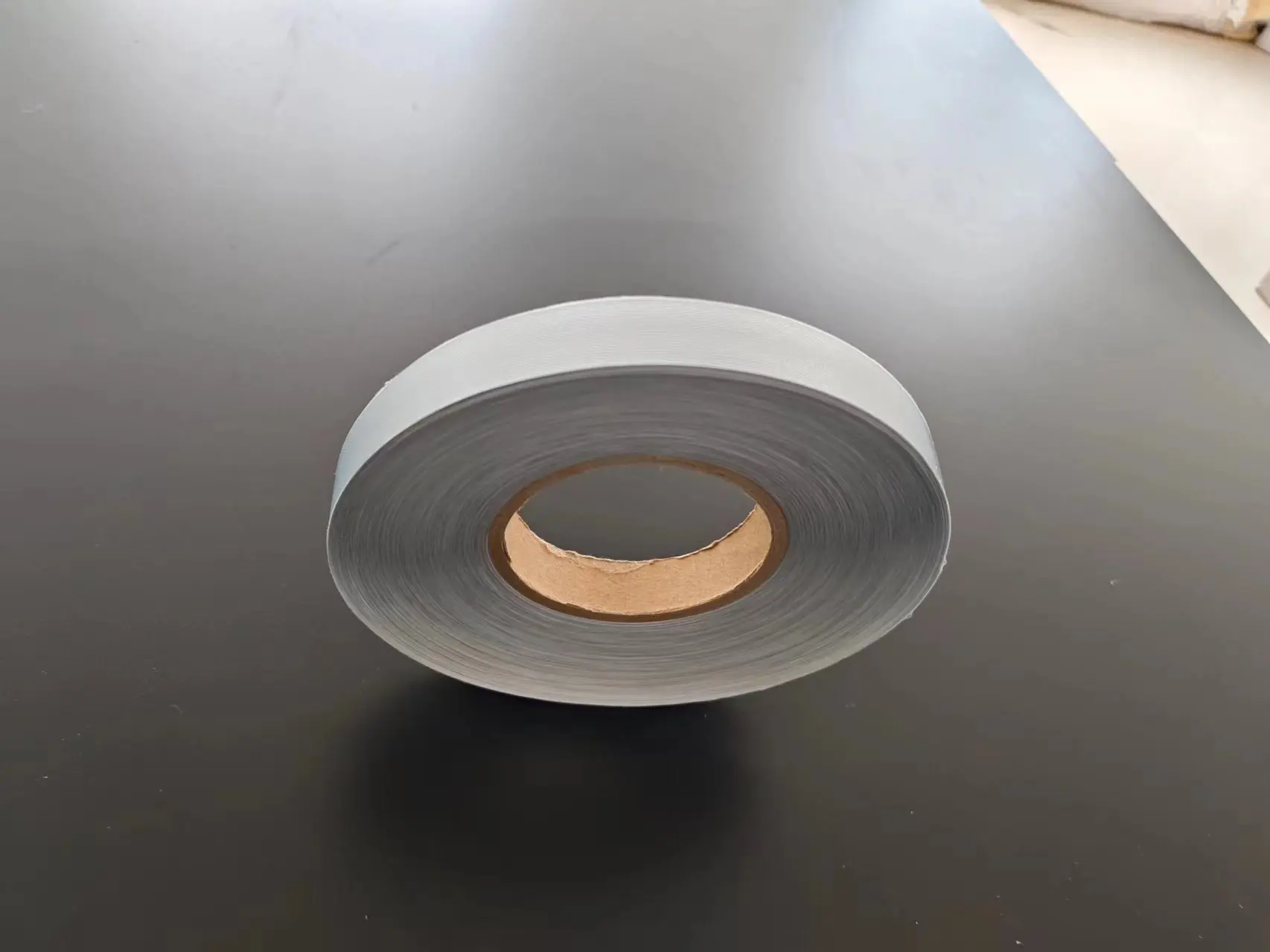
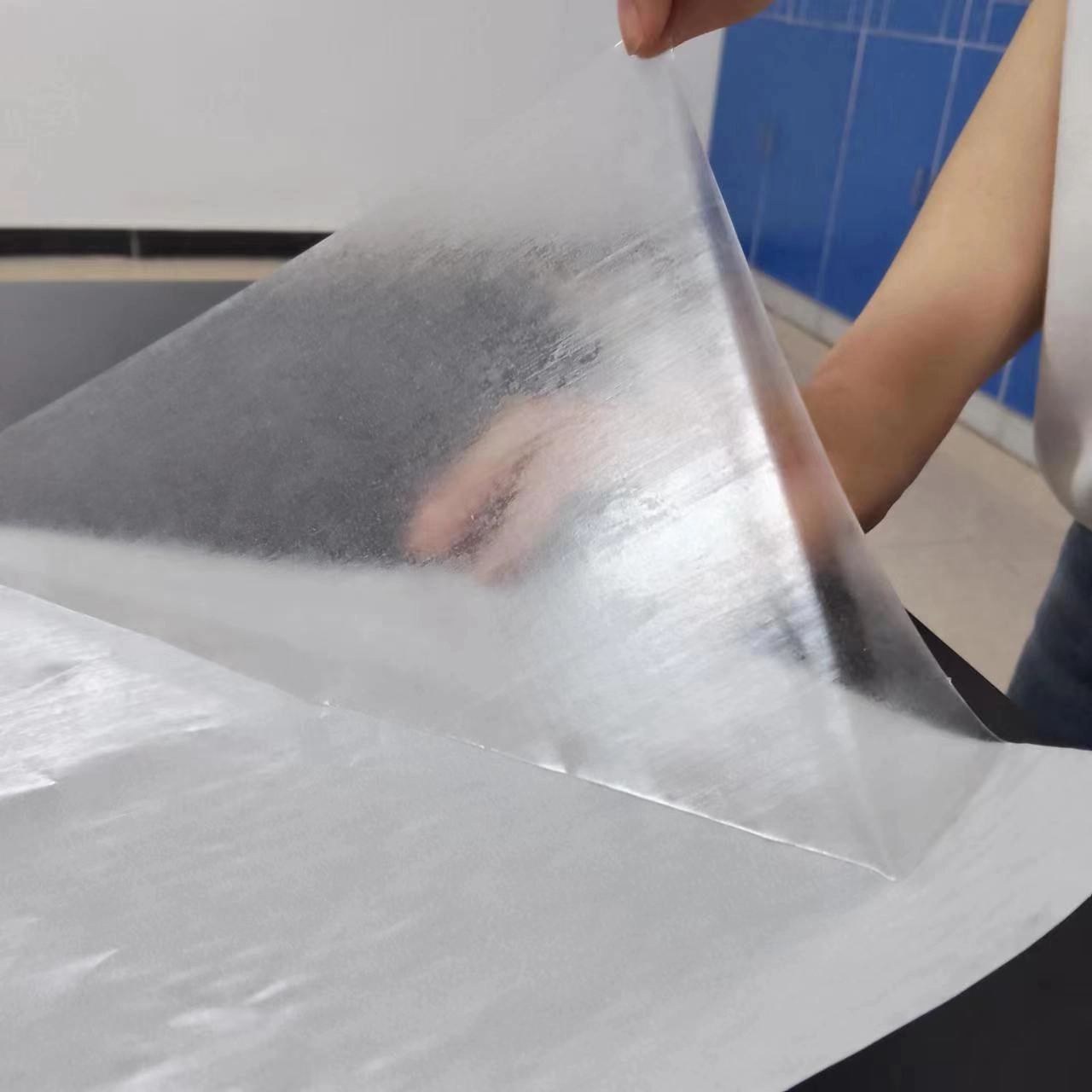
In the modern adhesives sector, hot-melt adhesive tapes and hot-melt adhesive films are two important products widely used in industries such as textiles, electronics, automotive manufacturing, and packaging. Although both fall under the category of hot-melt adhesives, they differ significantly in terms of structural form, adhesive content, breathability, and application scenarios. Hot-melt adhesive tapes feature a backing material, whereas hot-melt adhesive films consist of a single layer of pure adhesive, manufactured via processes like blown film extrusion or coating. This article explores these differences in depth to help readers understand how to select the right product based on their specific needs.
Table of Contents
How do the structural forms of hot-melt adhesive tapes and films differ?
The defining characteristic of hot-melt adhesive tape is the presence of a backing material (such as paper, cloth, or fabric), with the adhesive layer applied to the backing to form a composite structure. In contrast, hot-melt adhesive film consists of a single or double layer of pure adhesive; it is self-supporting and lacks an additional carrier. This structural difference means that while hot melt adhesive films have a higher adhesive content, hot-melt adhesive tapes offer superior flexibility and ease of handling.
Which has a higher adhesive content: hot-melt adhesive tape or film?
Hot-melt adhesive films have a much higher adhesive content than hot-melt adhesive tapes. Because films are produced via processes like blown film extrusion or coating, their adhesive content can exceed 90%, whereas tapes—due to their backing material—typically contain between 50% and 70% adhesive. Higher adhesive content results in stronger bonding but also entails higher costs.
Is there a significant difference in breathability between the two?
The difference is significant. The surface of a standard hot-melt adhesive film is completely covered by the adhesive layer, preventing the passage of air and moisture; thus, it is not breathable but offers waterproofing properties. Conversely, hot-melt adhesive films (specifically adhesive webs or nets) feature tiny perforations, allowing air and water molecules to pass through the adhesive layer even after curing and lamination, resulting in good breathability. For full-surface garment bonding, hot-melt adhesive webs are the superior choice as they preserve fabric breathability; conversely, hot-melt adhesive films are suitable for localized, high-strength bonding (such as on plackets or cuffs).
How to choose between hot-melt adhesive tapes and films?
Hot-melt adhesive tapes are ideal for lightweight bonding, temporary fixation, handcrafted leather goods, and textile decorations. They excel in applications requiring high bonding compatibility and “trace-free” adhesion, working well with materials such as wood, fabric, metal, and plastic. Hot-melt adhesive films, however, are better suited for scenarios demanding high bond strength—such as garment lamination, waterproof apparel, electronic packaging, and precision component bonding—offering peel strengths of 8–15 N/cm² and compatibility with fabrics, metals, plastics, and wood.
The choice between hot-melt adhesive tapes and films depends on specific requirements. Opt for hot-melt adhesive films if high strength, waterproofing, and precision bonding are priorities; choose hot-melt adhesive tapes (or webs) if breathability, flexibility, and ease of use are preferred. As a professional manufacturer of hot-melt adhesive products, Anhui Tomis offers solutions—including tapes and films made from TPU, PA, PES, and PO—that feature low processing temperatures, strong bond durability, resistance to wet and dry cleaning, and eco-friendly, non-bleeding properties, thereby meeting the diverse bonding needs of various industries.